Why Commercial Small Animal Control Requires Professional Expertise
People seeking commercial small animal control often aim to safely remove pests, and local service providers have the expertise to handle these challenging situations effectively.
Understanding why commercial small animal control requires professional expertise is essential for property owners facing issues with pests such as rodents, raccoons, or other wildlife. These animals can cause significant damage, disrupt operations, and pose health risks if not handled properly. Property owners in the area often seek guidance on how to effectively manage these problems, and turning to experienced local contractors ensures the job is done safely and thoroughly. By exploring this topic, visitors can gain practical insights into the importance of professional intervention and discover trusted service providers equipped to handle complex small animal control challenges.
Engaging with local pros who specialize in commercial small animal control offers practical benefits that go beyond DIY solutions. These experts understand the unique complexities of managing wildlife in commercial settings, where structural integrity and safety are top priorities. They bring the necessary skills and experience to identify entry points, implement humane removal methods, and prevent future issues. Readers interested in safeguarding their property can find valuable information here about why professional help is a smart choice, and how local service providers can assist in addressing small animal concerns effectively and responsibly.
- Commercial building inspections for small animal infestations often require the expertise of local contractors who can accurately identify entry points and nesting sites. Exclusion work to prevent future animal intrusion involves specialized techniques that seasoned service providers understand thoroughly. When dealing with persistent or large-scale small animal problems, experienced professionals apply advanced removal methods that untrained individuals may not be equipped to handle safely. Damage repair and habitat restoration after an infestation demand precise skills to ensure the structure’s integrity and prevent recurrence. Ongoing monitoring and maintenance are best managed by local service providers who have the knowledge to address complex small animal control challenges effectively.
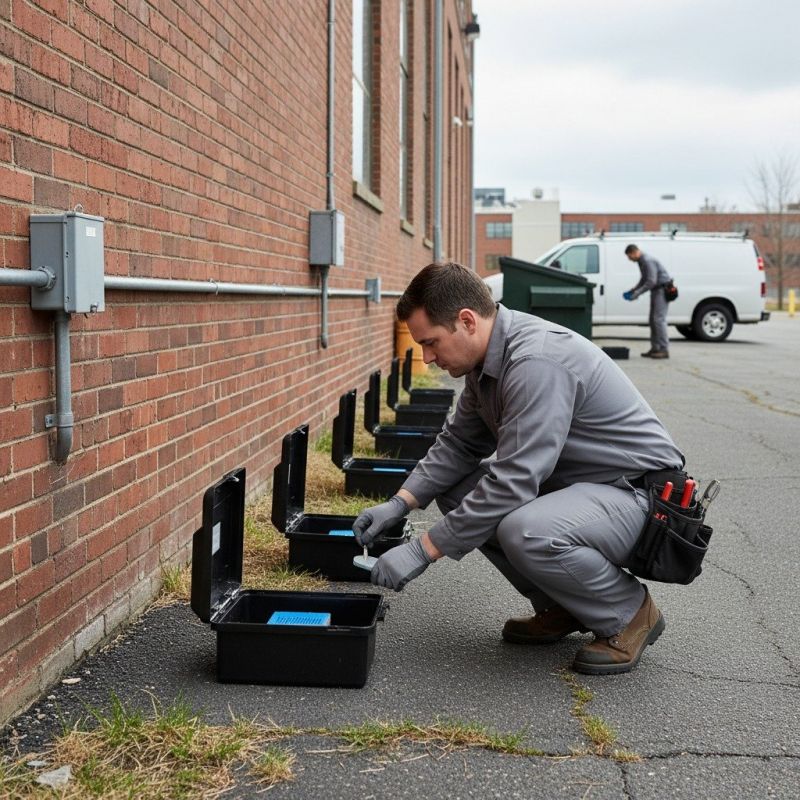
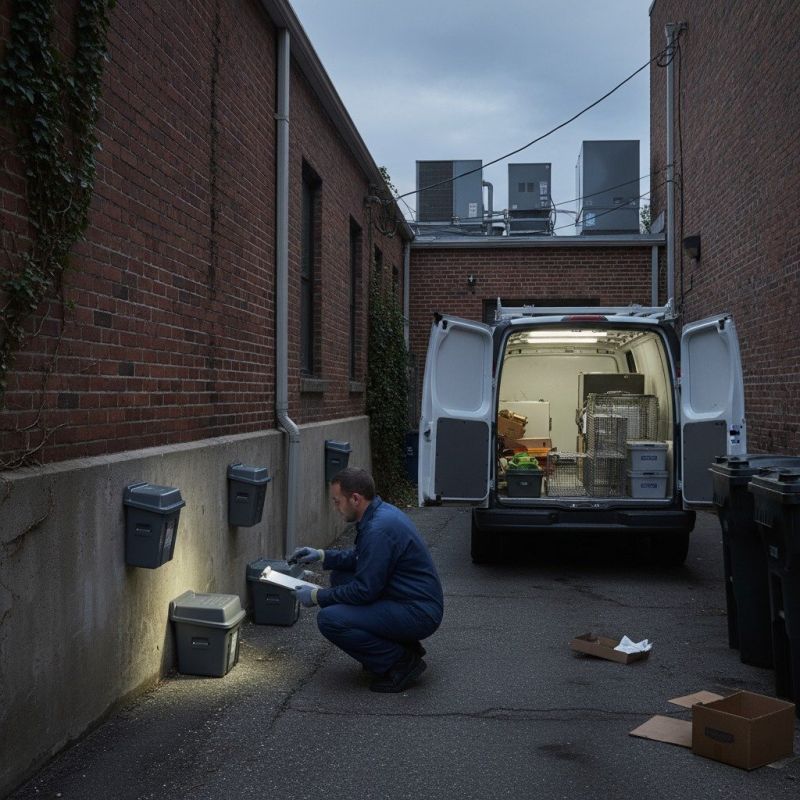
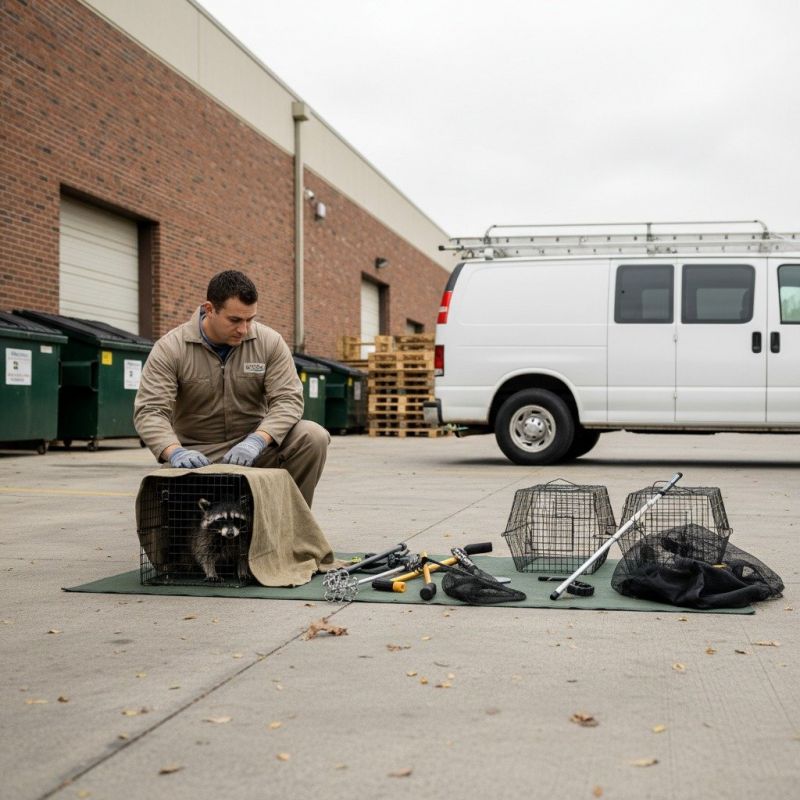
When people search for why commercial small animal control requires professional expertise, they are often trying to understand the complexities involved in managing pests such as rodents, raccoons, squirrels, or other small animals that invade commercial properties. These searches typically stem from concerns about property damage, health risks, or the need to comply with local regulations. Business owners or property managers may have encountered signs of animal activity-such as droppings, gnaw marks, or strange noises-and want to ensure the problem is handled effectively. They are looking for reliable solutions that not only eliminate the current issue but also prevent future infestations, which highlights the importance of professional knowledge and experience.
This topic relates to a variety of problems and planning efforts that involve protecting commercial spaces from small animal pests. These issues can include structural damage to buildings, contamination of food storage areas, or potential health hazards caused by droppings and urine. Planning for effective small animal control often requires understanding the animals’ behaviors, entry points, and nesting habits. Commercial property owners may need tailored strategies that address specific vulnerabilities in their buildings, especially when dealing with large or complex facilities. Professional contractors bring the expertise needed to assess the scope of the problem, develop a comprehensive plan, and implement targeted solutions that are both effective and compliant with local regulations.
The types of properties that typically come up in discussions about commercial small animal control include warehouses, retail stores, restaurants, office complexes, and manufacturing facilities. These properties often have large storage areas, loading docks, or access points that attract small animals seeking shelter or food sources. Industrial sites with extensive ventilation systems or roof access are also common locations where animals can enter and establish nests. The layout and use of these properties can create unique challenges for pest control, making it essential to work with service providers who understand the specific needs of commercial environments. Local pros are equipped to handle these varied property types, ensuring that control measures are appropriate for each setting.
Understanding why commercial small animal control requires professional expertise helps property owners recognize the importance of relying on experienced service providers. These professionals have the skills to identify entry points, determine the extent of the infestation, and implement humane and effective removal strategies. They also know how to safeguard property structures and prevent future problems through proper exclusion techniques. For commercial properties, especially those with high traffic or sensitive operations, working with local contractors ensures that pest control measures are thorough, compliant, and tailored to the specific property type. This approach ultimately helps maintain a safe, clean, and functional environment, reducing the risk of damage or health issues caused by small animal pests.
Wildlife Exclusion Projects - Removing unwanted animals from commercial properties requires specialized techniques and tools to ensure effective exclusion and prevent future entry, similar to small animal control efforts.
Building Inspection and Damage Assessment - Identifying entry points and structural damage caused by animals involves careful inspection skills that are essential in small animal control projects.
Habitat Modification Services - Altering property features to deter animals from returning involves planning and execution skills comparable to those needed in commercial small animal control.
Pest Prevention Planning - Developing strategies to prevent animal intrusion involves understanding animal behavior and property vulnerabilities, similar to small animal control planning.
Trap Placement and Monitoring - Proper placement and monitoring of traps require knowledge of animal habits and safety considerations relevant to small animal removal efforts.
Structural Repairs and Sealing - Sealing entry points and repairing damage involves precise work that aligns with the skills used in professional small animal exclusion services.
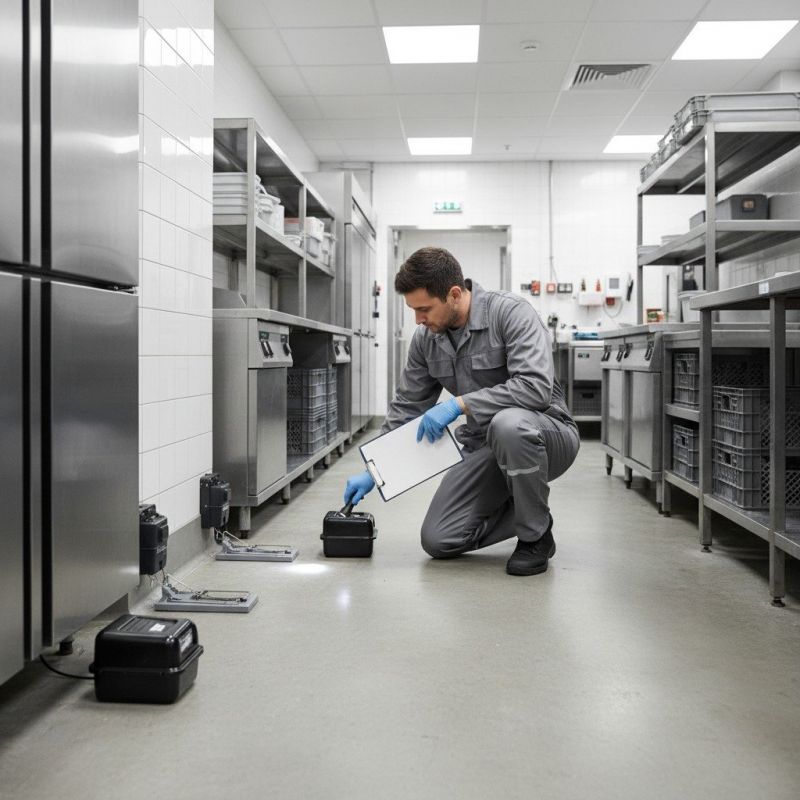
When evaluating service providers for commercial small animal control, it is important to consider their experience with similar projects. Local contractors who have a proven track record handling commercial properties or large-scale animal control issues are more likely to understand the complexities involved. Their familiarity with the unique challenges that come with different types of commercial environments can help ensure that the job is approached with the appropriate strategies and expertise. Asking for examples of past work or references related to similar projects can provide insight into their capability to manage the specific needs of a commercial setting.
Clear written expectations are essential when choosing a service provider for commercial small animal control. A detailed scope of work, including the methods used, the extent of the services, and the desired outcomes, helps establish a mutual understanding of what will be done. This clarity can prevent misunderstandings and ensure that all parties are aligned on the project’s goals. Reputable local contractors typically provide comprehensive written proposals or agreements that outline these expectations, making it easier for property owners to compare options and select a provider that matches their needs.
Good communication is a critical factor when working with local service providers for commercial small animal control. Contractors who are transparent, responsive, and willing to answer questions demonstrate professionalism and a commitment to customer service. Effective communication helps property owners stay informed about the progress and any potential issues that arise during the project. When comparing local pros, it’s beneficial to consider how well they listen, explain their approach, and maintain open lines of dialogue, as this can significantly impact the overall success and satisfaction with the service.
Property owners often search for why commercial small animal control requires professional expertise when they are planning practical projects around their homes and businesses. Local pros provide Commercial Small Animal Control services for everyday jobs and straightforward project options.
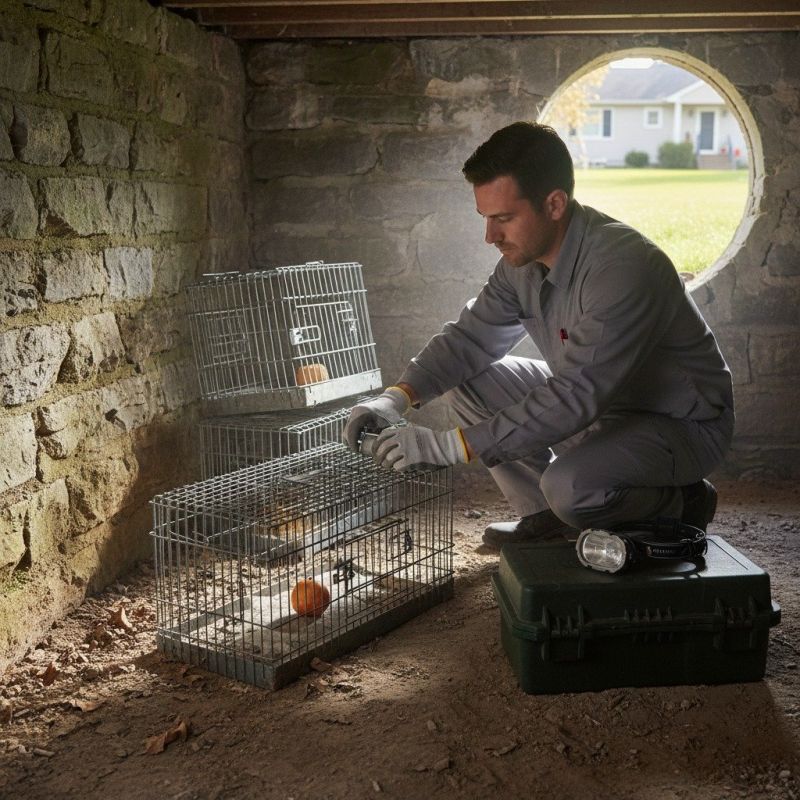
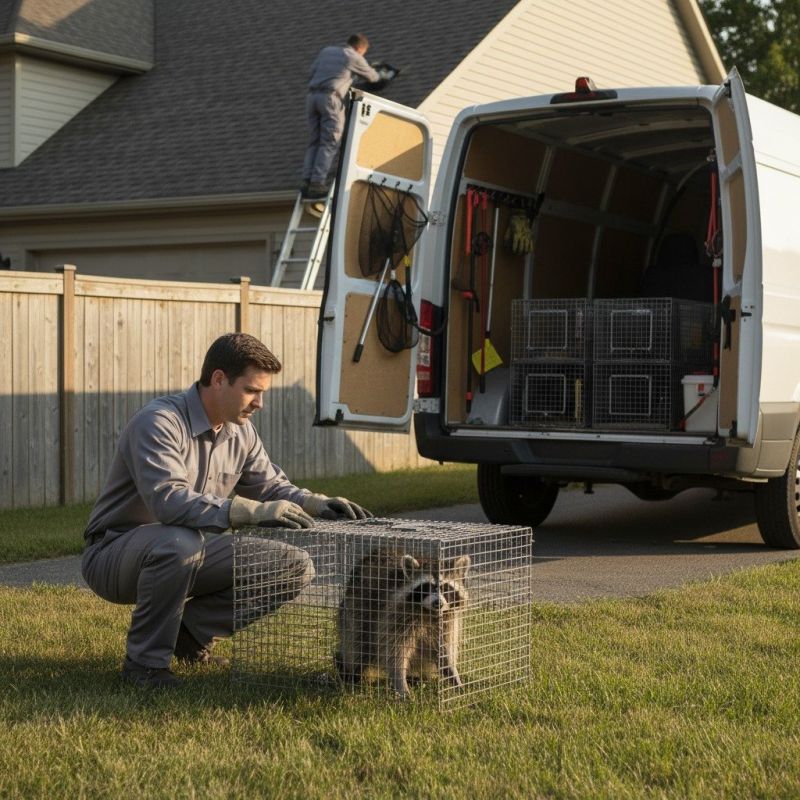
In many commercial properties, small animals such as rodents, raccoons, or squirrels can cause significant issues if not managed properly. Property owners often discover signs of infestations or damage, prompting them to seek professional small animal control services. These situations require more than just basic traps or DIY solutions, as improper handling can lead to ongoing problems or damage to the building. Local contractors with expertise in commercial small animal control understand the complexities involved and can implement effective strategies to address the specific needs of each property.
Choosing experienced service providers is essential because commercial small animal control involves more than removing pests; it requires understanding local wildlife behaviors, property access points, and effective exclusion techniques. Property owners might look into local pros to ensure the job is handled safely and thoroughly, avoiding future issues. Professional small animal control services from trusted local contractors can help maintain the integrity of the building, prevent future infestations, and ensure the property remains compliant with any relevant regulations.
Why does commercial small animal control require professional expertise? Professional service providers understand the complexity of identifying different types of small animals and their nesting habits, which is essential for effective removal and prevention.
How do local contractors ensure safe and effective small animal control in commercial settings? Experienced pros use specialized techniques and equipment designed for commercial environments, reducing risks and ensuring the problem is resolved thoroughly.
What risks are involved if commercial small animal control is attempted without professional help? Without expertise, there is a higher chance of incomplete removal, property damage, or health hazards due to improper handling or use of inappropriate methods.
Why is it important to rely on local service providers for small animal control in commercial properties? Local contractors are familiar with regional wildlife behaviors and building structures, enabling them to deliver tailored and efficient solutions.
What makes professional small animal control services necessary for commercial properties? Professionals have the experience to assess the extent of an infestation accurately and implement comprehensive strategies to prevent future issues effectively.
Understanding pest behavior - Knowing how small animals behave helps property owners choose effective control methods with the help of local contractors.
Identifying entry points - Recognizing potential access points allows property owners to work with professionals to seal vulnerabilities properly.
Implementing integrated strategies - Combining trapping, exclusion, and sanitation requires expertise that local service providers can provide for lasting results.
Ensuring compliance with regulations - Navigating local laws about pest control needs professional knowledge to avoid legal issues during small animal management projects.
If you are thinking about why commercial small animal control requires professional expertise for a property, this guide is meant to help you understand this topic, the typical project types, and how different options might fit your plans.
When you are ready, you can use the quote form on this page to share a few details about your project. From there, local pros can review the basics and follow up with options that match what you have in mind.